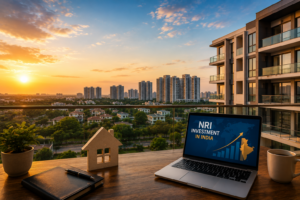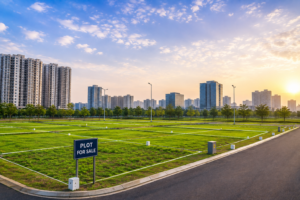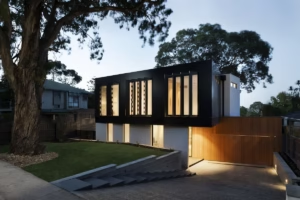
There’s something appealing about buying a plot instead of a finished house you get to actually build the thing yourself, brick by brick, exactly how you want it. In a market like Greater Noida, which has been growing fast for years now, plots have pulled in both end users who want to build their dream home and investors who like the flexibility land offers over a ready-built unit.
But here’s the catch buying land is genuinely a different game from buying an apartment or a finished house. There’s no walking in, looking around, and deciding you like the paint color. You’re dealing with location, title, approvals, how far along the development actually is, exact dimensions, connectivity, and a total cost that’s rarely as simple as the number on the brochure.
If you’re seriously looking at a residential plot in Greater Noida, here’s what you actually need to check before you commit.
Why even consider a plot here?
Greater Noida has turned into a genuinely important piece of the Delhi-NCR property puzzle at this point. Residential development’s picked up, infrastructure keeps improving, and connectivity to the surrounding areas has gotten noticeably better over the years.
The big draw with a plot, beyond just owning land, is the freedom to build something that’s actually yours designed the way you want, not what some developer decided would sell. That includes things like:
- The home’s layout
- How many floors, wherever that’s permitted
- How rooms are arranged
- Parking setup
- Interior finishes
- What materials go into construction
- Room to expand down the line
Of course, that freedom comes with a catch you’re also signing up to handle the planning and construction side of things yourself. It’s not just money, it’s time and attention too.
Plot or ready-to-move which actually fits you?
Worth sitting with this question honestly before you go any further.
A ready-to-move property gets you in fast, and you know exactly what you’re getting because you can walk through it before you buy. A plot gives you room to customize but asks a lot more of you along the way.
A plot probably makes sense if:
- You genuinely want to build your own home from scratch
- You’ve got specific design ideas you’re not willing to compromise on
- You’re thinking long-term, not next year
- Owning land itself appeals to you more than owning a unit
- You don’t mind managing a construction project
A ready property probably makes sense if:
- You need somewhere to live right now, not eventually
- Managing contractors and construction sounds like a headache you don’t want
- You want certainty about when you’ll actually move in
- You’d rather see the finished product before handing over money
Neither one’s objectively better it genuinely comes down to your finances, your timeline, how you actually want to live, and what you’re hoping the investment does for you.
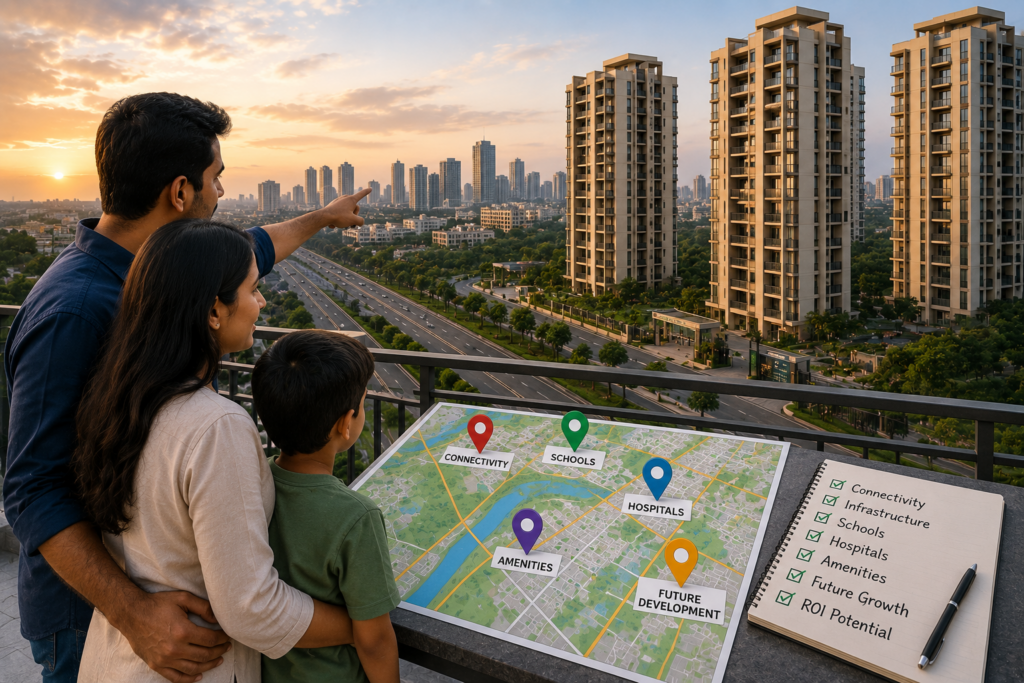
1. Location and I mean really look at it
This is probably the single biggest factor when you’re buying land, full stop.
Here’s something people underestimate: two plots sitting in the same general area can be worth wildly different amounts depending on things like road access, what’s being built nearby, and general connectivity. “Same area” doesn’t mean “same value.”
When you’re checking out a plot in Greater Noida, go through:
- How it connects to the main roads
- What the access roads actually look like
- Public transport nearby
- Schools and colleges within reach
- Hospitals and general healthcare access
- Shopping and everyday retail
- How close it is to job centers
- What residential communities already exist around it
- What’s planned for the future
- Whether electricity and water are actually available
- Drainage and other basic civic infrastructure
And please don’t just do this on Google Maps. Go there. Walk around. Maps don’t tell you what a place actually feels like.
2. Nail down ownership and title before anything else
This is the step people rush through, and it’s exactly the one you shouldn’t. Before any money changes hands, you need to confirm the seller genuinely has the legal right to sell this land.
Go through the ownership and title documents carefully, and dig into whether there are any disputes, claims, liens, or other encumbrances attached to the property. Land deals often come with more tangled paperwork than people expect, so it’s worth having a property lawyer actually go through everything before you commit real money.
And please don’t take anyone’s word for it just because they seem trustworthy. Verbal assurances mean nothing legally.
3. Check whether RERA registration applies
RERA the Real Estate (Regulation and Development) Act, 2016 exists specifically to bring more transparency and accountability into Indian real estate. Good thing, generally.
If the plot you’re eyeing is part of a project where RERA registration applies, go check the registration details through the relevant state authority. For anything in Uttar Pradesh, that means the official UP RERA portal worth bookmarking if you’re plot-hunting seriously.
Just know that not every land transaction automatically falls under the same rules, so it’s on you to understand exactly where the property you’re considering actually stands, legally.
4. Understand what the land’s actually zoned for
Before buying, make absolutely sure the plot is legally designated for what you plan to do with it. If you’re planning to build a home, you need to check the land-use classification, what development’s permitted, the building regulations that apply, and anything else that could trip you up.
Ask directly:
- Is residential construction even allowed here?
- Are there restrictions on what you can build?
- What building regulations apply to this specific plot?
- Are there setback rules or height limits?
- What approvals do you need before you can start building?
Getting these answers upfront saves you from some genuinely painful surprises later.
5. Look closely at the plot’s actual shape and size
Size gets all the attention, but shape matters just as much sometimes more. A plot that looks great on paper because of its total area can turn into a real headache to build on if it’s an awkward, irregular shape.
Before you commit, understand:
- The total area
- Length and width, specifically
- Which side actually faces the road
- How you’ll access the property
- Which direction it faces
- What setback requirements apply
- How much of it you can actually build on
If you can, get the dimensions professionally verified rather than trusting the numbers in whatever marketing material you were handed. Brochures round up. Reality doesn’t.
6. Actually check the roads and how accessible it is
A plot can read beautifully on paper and still be a pain to live near if getting there is difficult. Go visit ideally more than once, at different times of day and pay attention to:
- How wide the road actually is
- What condition it’s in
- Traffic patterns
- Whether there’s decent street lighting
- Drainage
- Where you’d even park
- What access looks like in bad weather, not just on a sunny afternoon
Also worth double-checking: does the road shown in the property documents actually match what’s on the ground? You’d be surprised how often it doesn’t quite line up.
7. Confirm electricity, water, and drainage are real, not “coming soon”
Basic infrastructure isn’t optional it’s the whole point of buying serviced land. You need to understand availability and the connection process for:
- Electricity
- Water
- Sewage
- Drainage
- Internet and telecom
- Street lighting
If any of this is planned but not actually there yet, get a straight answer on where things currently stand. Don’t assume a “proposed” facility will show up on some promised date plenty of buyers have learned that lesson the hard way.
8. Work out the real total cost, not just the quoted price
The number on the listing is basically never the number you’ll actually pay. Depending on the deal, you could be looking at:
- Stamp duty
- Registration charges
- Legal fees
- Documentation costs
- Development charges
- Brokerage
- Utility connection fees
- Construction costs, if you’re building
- Financing costs
Before you book anything, sit down and build a proper budget that covers both the land itself and, if you’re planning to build, the construction that follows. It’s a lot less fun than looking at plot listings, but it gives you a far more honest picture of what you’re getting into.
9. Don’t forget construction is a whole separate project
This is where buying a plot really diverges from buying a finished house. Once the land’s yours, you’re not done you’re just getting started. You’ll likely need to sort out:
- Architectural planning
- Building approvals
- Finding and vetting a contractor
- Construction materials
- Labour
- Electrical work
- Plumbing
- Flooring
- Doors and windows
- Interior work
- Landscaping
Costs here swing a lot depending on your design choices, materials, labour rates, and location. If you’re buying specifically to build, get a realistic construction estimate before you even finalize the land purchase not after.
10. Look into whoever’s actually selling you the plot
If this is part of a larger development project, spend some time researching the developer. Check:
- What they’ve built before
- Whether their past projects actually got completed on time
- What actual customers say about them
- How transparent they are with documentation
- The quality of their construction or development work
- How well they communicate
- Their general reputation in the market
- Whether they actually show up for after-sales support, or vanish once you’ve paid
A developer worth trusting won’t dodge your questions or make it hard to verify their documentation. That reluctance itself tells you something.
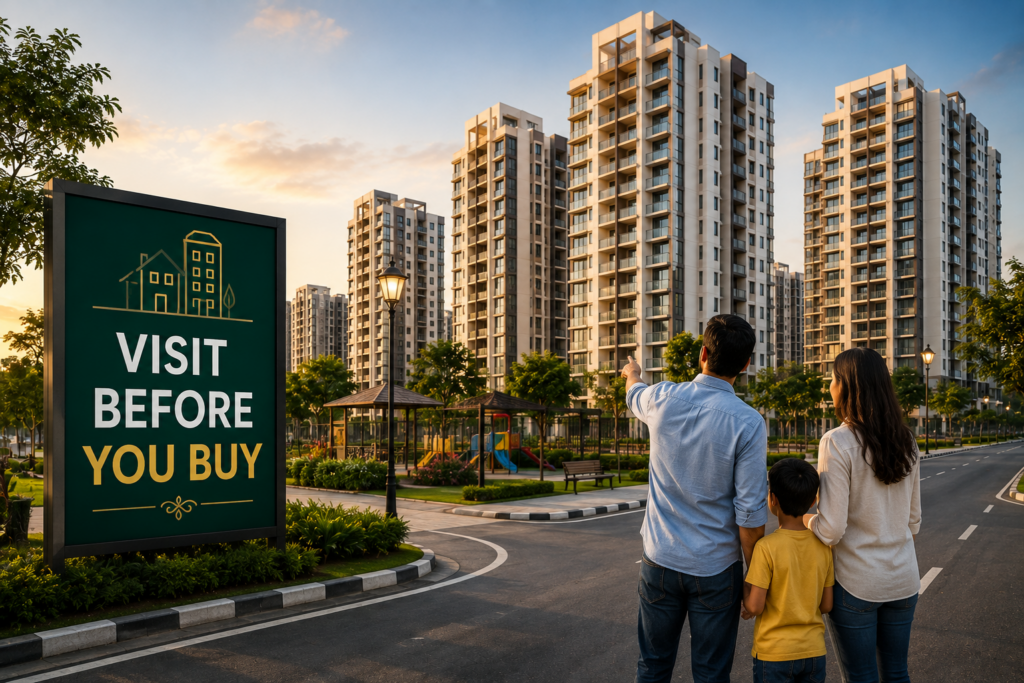
11. Go see it. Actually go.
Photos, videos, maps, glossy brochures all useful for a first pass, but none of it replaces standing on the actual land. When you visit, pay attention to:
What’s around it is the neighborhood already lived-in, or still mostly empty land?
Getting there is access actually straightforward, or a bit of a maze?
What’s nearby homes, businesses, empty plots, active construction sites?
The infrastructure is electricity, water, and drainage genuinely available, or just promised?
Signs of what’s coming any visible evidence that development is actually happening nearby, not just marketed as “upcoming”?
A physical visit tends to surface things that never show up in a listing.
12. Get clear on why you’re actually buying this
Before you sign anything, be honest with yourself about the purpose.
Building a family home? Focus on plot size, shape, road access, the quality of the neighborhood, and whatever construction regulations apply.
Purely an investment? Pay more attention to how the location’s growing, infrastructure trends, future demand, how easy it’ll be to sell later, and whether the price actually makes sense compared to similar plots nearby.
Planning to build years from now? Then look at the area’s long-term development plans and factor in what it actually costs to just hold the land while you wait.
Where NHR Builder and Developer fits in
If you’re researching plot options specifically in Greater Noida West, NHR Builder and Developer is worth a look Samriddhi Residency is one of their featured offerings on the residential side.
They work across residential, commercial, luxury, and investment property, and beyond just selling plots, they help with property selection, site visits, legal due diligence, negotiation, home-loan assistance, and after-sales support once the deal’s done.
Worth checking their official website if you’re actively exploring options in the area. And as always whichever developer you go with, verify title, approvals, RERA applicability, development permissions, pricing, and the actual contract terms yourself. Don’t take a sales pitch as a substitute for due diligence.
A quick checklist before you finalize anything
Before you say yes to a plot, make sure you’ve actually gone through:
- Location and connectivity
- Ownership and title
- Any encumbrances or legal disputes
- Whether RERA registration applies
- Land-use classification
- Development permissions
- Exact plot dimensions
- Road access
- Electricity and water availability
- Drainage and other civic infrastructure
- The real total cost, not just the sticker price
- Registration charges and applicable taxes
- Future construction costs, if you’re building
- The developer or seller’s actual reputation
- What you’re really trying to get out of this, long-term
Going through all of this properly takes time, no doubt about it. But it’s a lot less painful than finding out about a problem after you’ve already signed.